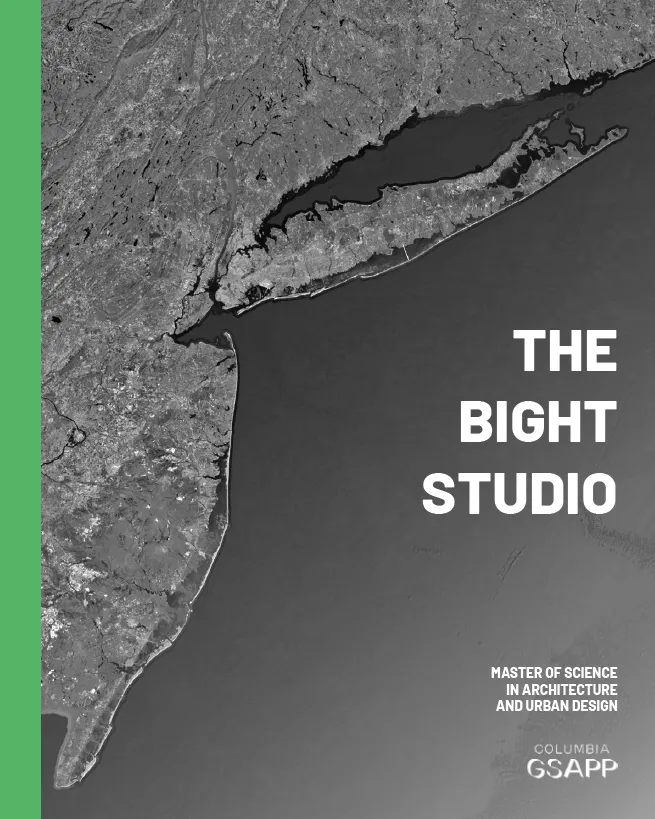
The Bight Studio: Pine Barrens, Power Brokers, Development and Displacement on the World’s Most Contested Coastline is a regional urban design studio in Columbia’s MSAUD program that confronts the intertwined crises of housing affordability, climate change, and displacement across the New York–New Jersey Bight. Framed by the writings of Lewis Mumford and Robert Caro’s The Power Broker, the studio situates New York City not as an isolated metropolis but as one part of a larger, fragile regional system linking cities, small towns, suburbs, coastlines, marshlands and highlands. Students are asked to examine how historical development pathways—particularly car-centric suburbanization, exclusionary zoning, and centralized power—have produced today’s housing shortage, social inequity, and ecological vulnerability.
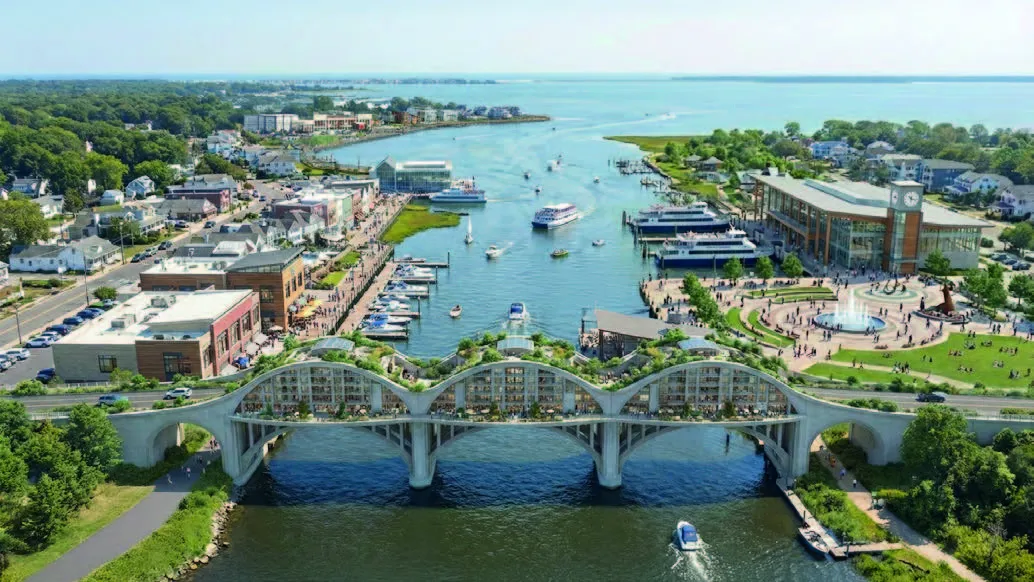
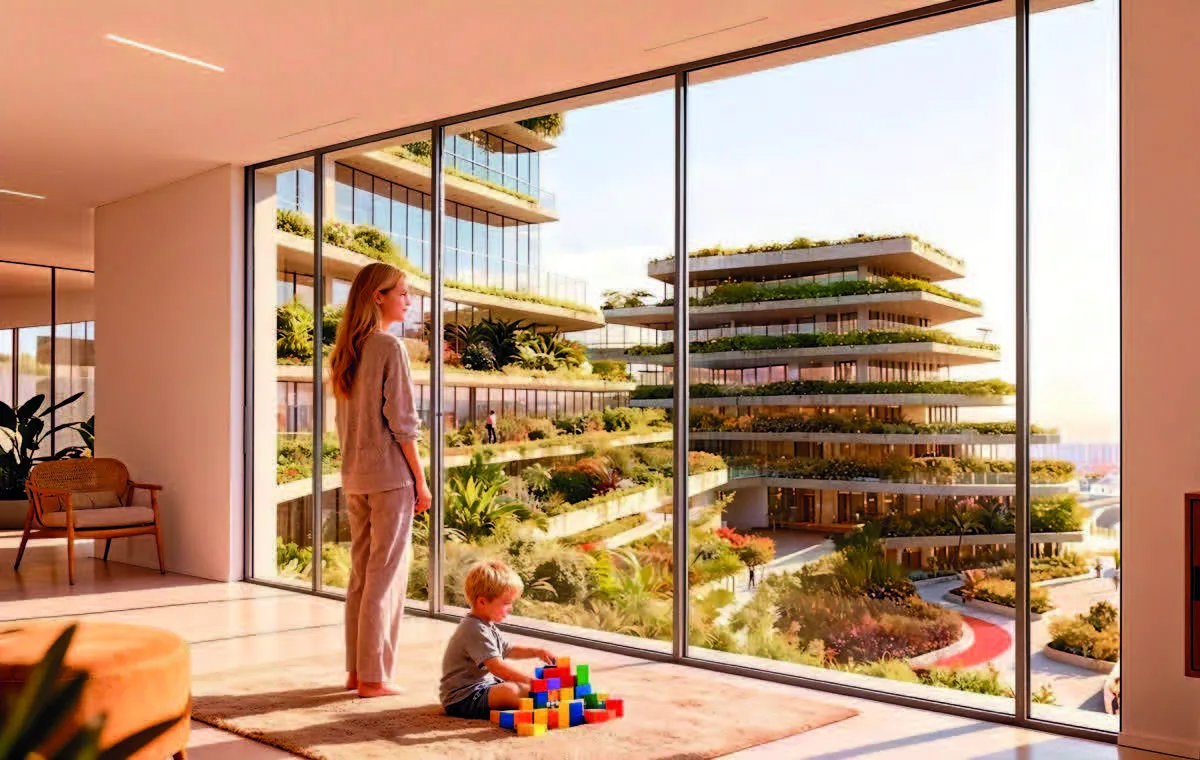
The course begins by grounding the housing crisis in contemporary realities: a severe shortage of affordable units, the “missing middle” of housing opportunity. widening racial and class disparities, and growing displacement pressures intensified by climate risk. The New York metropolitan region serves as a primary case study, where underbuilding, restrictive land-use policies, and rising costs collide with flooding, heat, and infrastructure failure. Rather than repeating the postwar suburban model enabled by highways and fossil fuels, the studio asks what large-scale housing production looks like today in an era of climate instability, inequality, and political fragmentation.
Intellectually, the studio draws heavily on Robert Caro’s critique of Robert Moses and on Mumford’s regionalism and concept of “biotechnics”—designing human systems in harmony with nature. Students interrogate power, governance, and regulation, mapping how decisions about land, infrastructure, and housing shape who benefits and who bears risk. Environmental crises are treated as inseparable from social upheaval, with particular attention to environmental justice, public health, and uneven vulnerability across race and class.
Geographically, the studio focuses on the New York/New Jersey Bight, a geographic feature that makes the region's coastline particularly vulnerable to coastal storm surge. Tracing glaciation, indigenous histories, colonialism and genocide, industrialization, suburbanization, segregation, and present-day growth pressures. The New York–New Jersey Bight is understood both as a meteorologically vulnerable zone and as a contested cultural boundary between land and sea, development and ecology. Students study landscapes ranging from affluent coastal enclaves to disinvested communities and the Pine Barrens, the largest remaining open space in the Northeast megaregion.
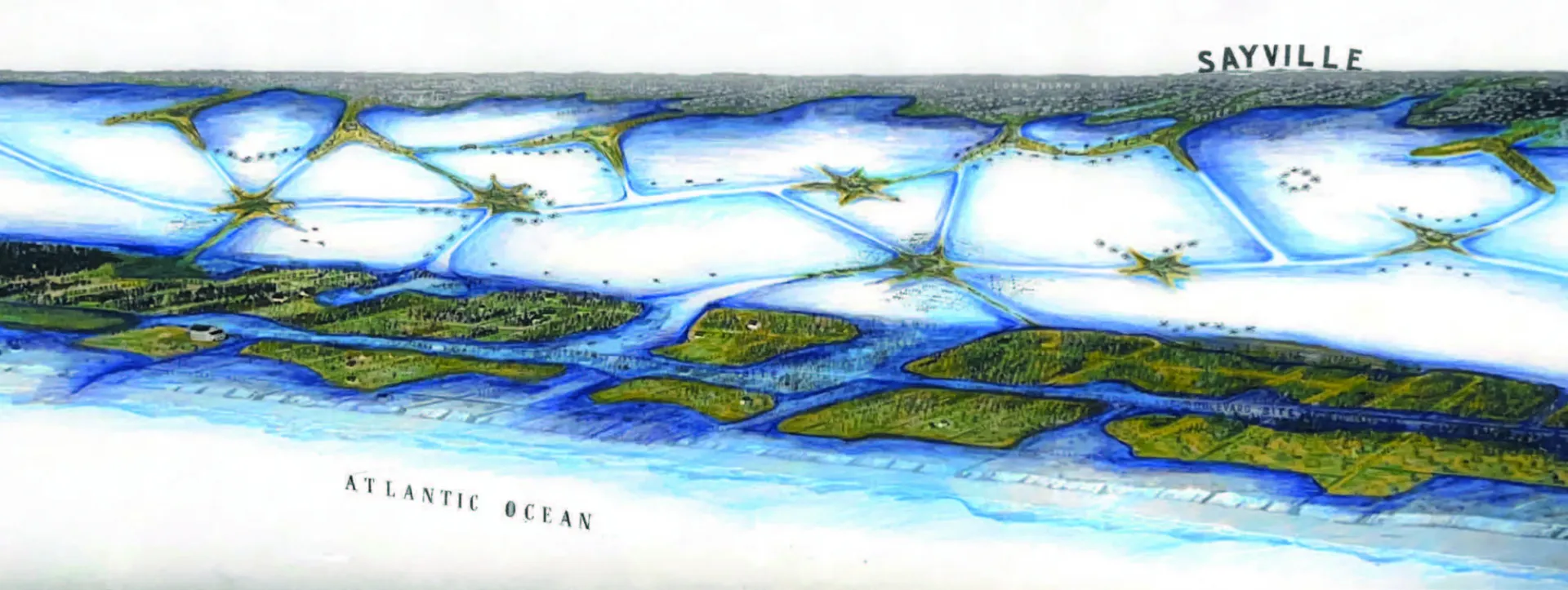
The studio unfolds through a sequence of collaborative assignments. Students begin with personal regional narratives, then move to comparative coastal case studies across the United States. They conduct deep site investigations using transects, mapping physical systems, housing typologies, and stakeholder power dynamics. Scenario planning is used to explore multiple plausible futures rather than a single forecast, culminating in public-facing videos and a community workshop. In the second half of the semester, teams synthesize what they have learned into regional design proposals and action plans addressing landscape, infrastructure, and housing across multiple scales.
Throughout, the studio emphasizes collaboration, ethical engagement, and care—for communities, ecosystems, and future generations. AI tools are permitted only with transparency and skepticism, reinforcing the studio’s core belief that resilient urban design depends on critical thinking, empathy, and collective intelligence rather than technological shortcuts.
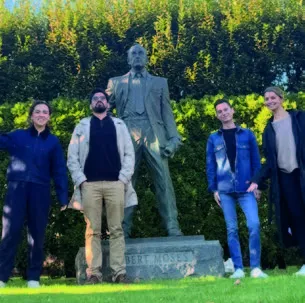
Robert Moses may have moved more earth than any human in history, but he was not a movement. Movements also build. Movements have built nations, have cultivated transformative ideals like democracy, and driven innovation in science and technology. Individuals with dictatorial tendencies like Moses, are limited by their ambition, because it always comes down to serving one person—themselves. But movements keep growing, serving more people, building hope and trust instead of fear.
— Thaddeus Pawlowski